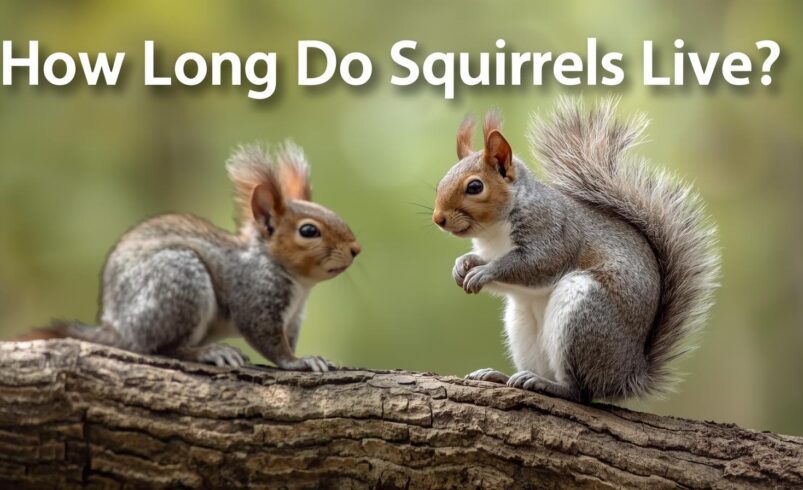
I’ll never forget the moment I spotted a gray squirrel with a distinctly scarred tail in my backyard. For three consecutive years, that same bushy-tailed visitor returned to my oak tree, hoarding acorns with surgical precision. This observation sparked my curiosity: exactly how long do squirrels live, and what determines their survival?
The question of how long do squirrels live isn’t just fascinating trivia for nature enthusiasts. It’s essential knowledge for wildlife management, urban planning, and anyone curious about the resilient rodents sharing our spaces. Whether you’re observing squirrels darting across power lines or watching them perform acrobatic feats at your bird feeder, understanding how long do squirrels live helps us appreciate these creatures’ complex lives with lifespans that vary dramatically based on multiple factors.
Understanding Squirrel Lifespan Basics
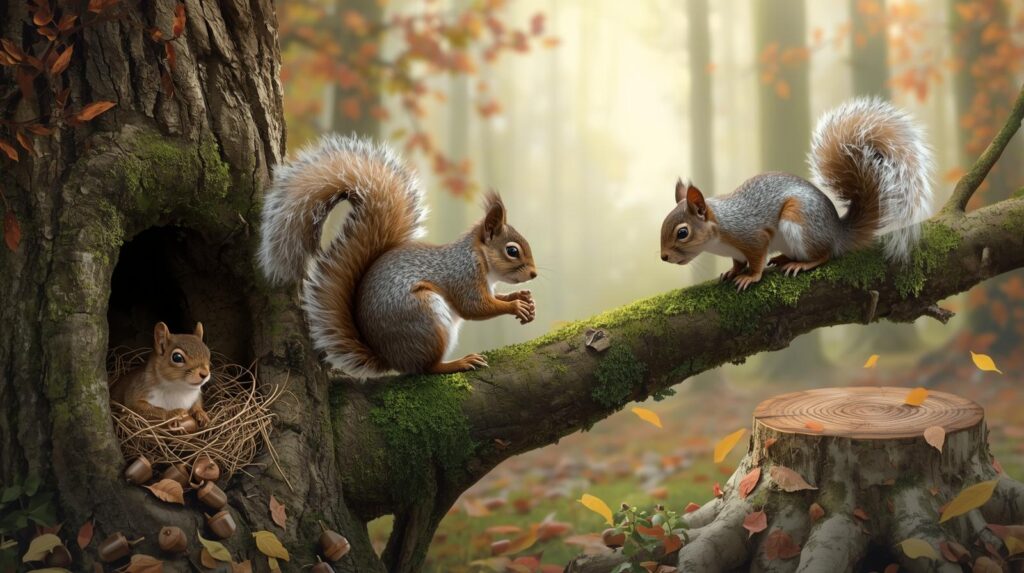
The question of how long do squirrels live doesn’t have a simple answer. Squirrel lifespan varies significantly depending on species, habitat, and environmental conditions. Research indicates that squirrels live an average of five to ten years in the wild, though this figure masks considerable variation across different species.
The harsh reality is that many squirrels never celebrate their first birthday. Studies show that approximately half of all squirrels in a given population die each year, with juvenile squirrels facing the highest mortality rates. Those first twelve months represent the most dangerous period in a squirrel’s life, with predators, disease, and environmental hazards claiming countless young lives.
Yet squirrels that survive this critical first year often enjoy extended lifespans. When evaluating how long do squirrels live, gray squirrels that make it past their vulnerable juvenile stage can live six to twelve years in natural settings. Some remarkable individuals have even surpassed ten years in the wild, demonstrating the species’ potential for longevity when conditions align favorably.
How Long Do Squirrels Live in the Wild
When examining how long do squirrels live in the wild, environmental pressures significantly impact survival rates. Wild squirrels face a gauntlet of challenges that captive squirrels never encounter. Natural predators including hawks, foxes, coyotes, bobcats, and snakes constantly threaten squirrel populations. These predators particularly target baby squirrels, which lack the defensive capabilities and survival instincts of adults.
Eastern gray squirrels, North America’s most common tree squirrel species, typically live around six years in natural habitats. However, exceptional individuals can reach twelve years or more. Fox squirrels demonstrate even more impressive longevity, living between eight and eighteen years in ideal wild conditions. Female fox squirrels generally outlive males, with females averaging thirteen years compared to males’ eight years.
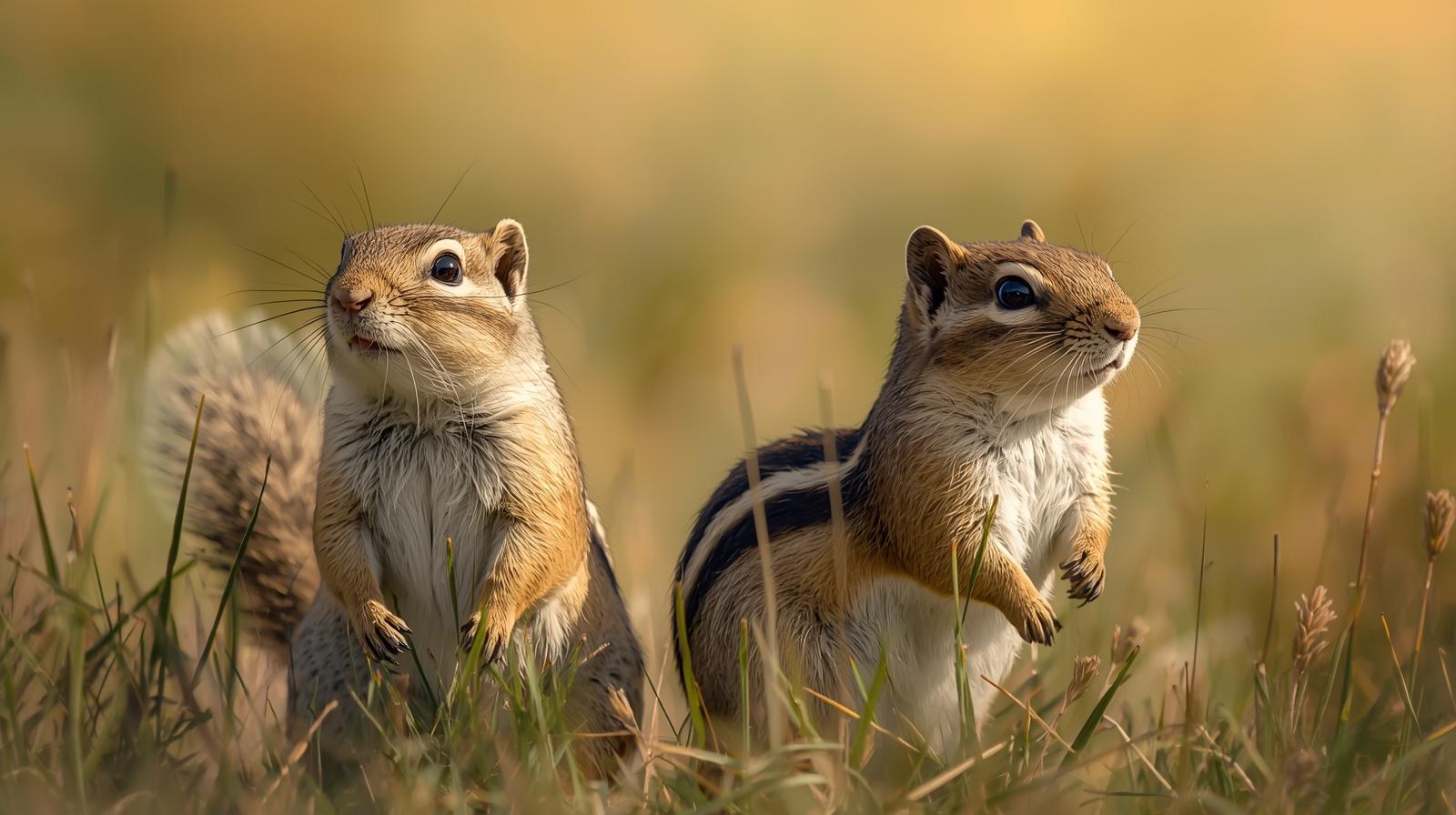
Red squirrels face shorter lifespans in the wild, averaging just five years. Their high mortality rate means only twenty-five percent survive beyond their first year. Ground squirrels endure even harsher circumstances, with lifespans averaging just three to five years due to increased predator exposure in open grasslands.
Urban environments present mixed blessings for wild squirrels. While city parks provide consistent food sources and fewer natural predators, urban squirrels encounter unique dangers. Traffic collisions, electrical hazards from chewed wires, and pest control efforts create new survival challenges. Despite these risks, some urban squirrels thrive, particularly in green spaces where food accessibility remains high. Understanding how long do squirrels live in urban versus rural settings reveals important survival pattern differences.
How Long Do Squirrels Live in Captivity
The contrast becomes striking when considering how long do squirrels live in captivity. Protected environments dramatically extend squirrel lifespan by eliminating predators, ensuring consistent nutrition, and providing veterinary care. Captive squirrels routinely reach ages their wild counterparts rarely approach.
Eastern gray squirrels can live up to twenty years in captivity, with some documented cases extending into their late teens. One remarkable female gray squirrel in a controlled environment surpassed twenty years, nearly quadrupling the average wild lifespan. Fox squirrels similarly benefit from captivity, reaching eighteen to twenty years with proper nutrition and medical attention.
Red squirrels, which struggle to reach five years in nature, can survive eight to ten years in protected settings. Flying squirrels, freed from natural dangers, may live ten years or more in captivity. Even ground squirrels, which face particularly harsh wild conditions, can reach seven to ten years under human care.
This dramatic longevity increase stems from multiple factors. Captive squirrels receive balanced diets tailored to their nutritional needs, unlike wild squirrels whose food availability fluctuates seasonally. Medical care addresses injuries and illnesses that would prove fatal in nature. Most importantly, the absence of predators removes the primary cause of premature death.
| Species | Wild Lifespan | Captivity Lifespan | Maximum Recorded Age |
|---|---|---|---|
| Eastern Gray Squirrel | 6–12 years | Up to 20 years | 24 years |
| Fox Squirrel | 8–18 years | 18–20 years | 18 years |
| Red Squirrel | 3–5 years | 8–10 years | 10 years |
| Flying Squirrel | 3–5 years | Up to 10 years | 19 years |
| Ground Squirrel | 3–5 years | 7–10 years | 10 years |
Key Factors That Determine Squirrel Lifespan
Predation and Survival Threats
Predators represent the foremost factor determining how long squirrels live. Hawks and owls hunt from above, while terrestrial predators like foxes and coyotes pursue squirrels on the ground. Domestic cats and dogs add to urban predation pressures. Squirrels rely on quick reflexes, excellent eyesight, and climbing ability to escape threats, but young squirrels lack these fully developed survival skills.
Nutrition and Food Availability
Diet quality directly impacts squirrel longevity and plays a crucial role in determining how long do squirrels live. Squirrels thrive on balanced nutrition including nuts, seeds, fungi, bird eggs, and plant material. Acorns from oak trees, hickory nuts, walnuts, and beechnuts provide essential calories and nutrients. Food caches help squirrels survive harsh winters when fresh food becomes scarce. However, urban squirrels increasingly rely on lower-quality human food scraps, potentially compromising health and lifespan.
Disease and Health Conditions
Various diseases threaten squirrel populations. Squirrel pox causes body scabs and nervous system damage, typically leading to paralysis and death. Other illnesses may not prove immediately fatal but impair locomotion, preventing effective foraging and reducing lifespan. Parasites also burden squirrel health, particularly affecting younger individuals with underdeveloped immune systems.
Climate and Seasonal Factors
Seasonal changes profoundly influence how long do squirrels live. Winter months prove especially challenging, with plummeting temperatures and scarce food testing survival capabilities. Squirrels rely heavily on stored food supplies and well-insulated nests during cold periods. Young squirrels born shortly before winter face particularly difficult circumstances, lacking adequate reserves and experience. Understanding how long do squirrels live requires acknowledging seasonal survival pressures.
Human Impact
Humans significantly affect squirrel survival through both direct and indirect means. Vehicle collisions kill countless squirrels annually, particularly affecting urban populations. Deforestation reduces available habitat, forcing squirrels into smaller territories with increased competition. Conversely, some human activities benefit squirrels—bird feeders provide supplemental nutrition, while nest boxes offer protected nesting sites.
Species-Specific Squirrel Lifespans
Eastern Gray Squirrel Lifespan
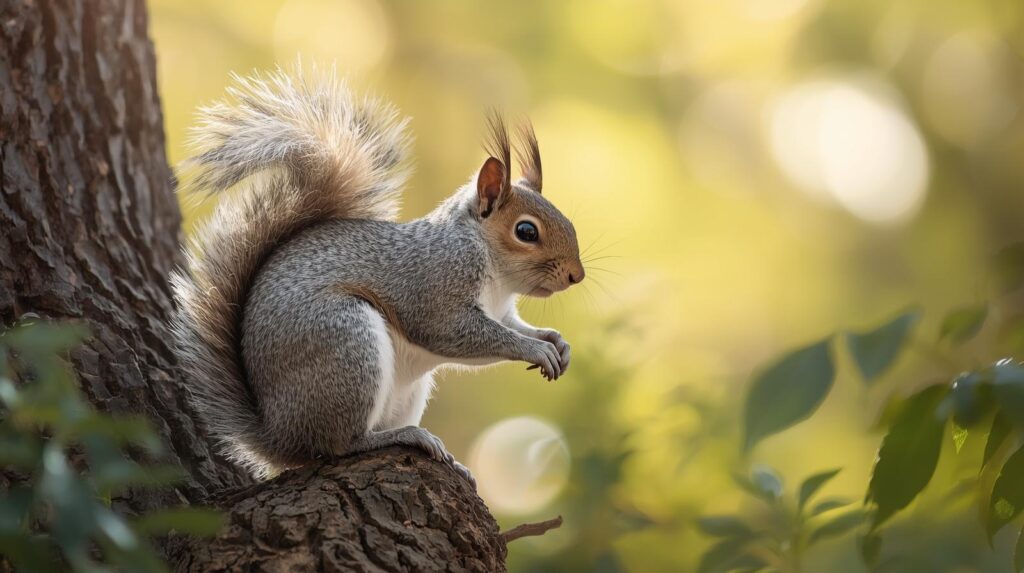
The eastern gray squirrel dominates North American landscapes, thriving from deciduous forests to urban parks. These adaptable rodents feature distinctive gray fur and white underbellies. When researching how long do squirrels live, eastern grays represent the species most commonly studied. Wild populations average six years, though individuals reaching twelve years demonstrate remarkable resilience. The record for captive eastern gray squirrels stands at twenty-four years, showcasing extraordinary longevity potential when considering how long do squirrels live under optimal conditions.
Fox Squirrel Longevity
Fox squirrels, North America’s largest tree squirrels, inhabit southern and central United States regions, particularly oak and pine forests. These robust squirrels display reddish or gray coloration and grow larger than their gray cousins. When examining how long do squirrels live by species, fox squirrel lifespan ranges from eight to eighteen years in natural habitats, with captive individuals reaching twenty years. Gender differences emerge clearly in this species, with females consistently outliving males by approximately five years.
Red Squirrel Life Expectancy
American red squirrels inhabit coniferous forests throughout northern United States and Canada. These territorial creatures, identifiable by reddish fur and white underparts, face challenging survival odds. When asking how long do squirrels live, red squirrel populations experience severe first-year mortality, with only one-quarter surviving beyond twelve months. Those reaching adulthood average five years in the wild, though ten-year-old wild red squirrels have been documented.
Flying Squirrel Survival Rates
Southern flying squirrels possess unique gliding capabilities thanks to the patagium membrane connecting their limbs. These nocturnal squirrels typically live three to five years in wild conditions. Their shorter lifespan reflects both predation pressures and the energy demands of their active lifestyle. Captive flying squirrels can reach ten years, with maximum recorded ages approaching nineteen years.
Ground Squirrel Mortality
Ground squirrels, including Richardson and California species, face the shortest lifespans among squirrel varieties. Living in open grasslands exposes them to constant predator threats. Males typically survive only two years, while females occasionally reach four years. Their ground-dwelling habits increase vulnerability compared to tree-dwelling cousins, significantly impacting how long squirrels live in different ecological niches.
Life Cycle Stages and Age Milestones
Understanding how long squirrels live requires examining their complete life cycle. Newborn squirrels enter the world completely hairless and blind, weighing merely half an ounce. For the first month, baby squirrels depend entirely on maternal care, spending most time sleeping and nursing. These early weeks are critical in determining how long do squirrels live, as mortality rates remain highest during infancy.
By two months, young squirrels begin venturing from the nest while maintaining close family ties. Squirrels born before winter typically remain with mothers throughout the cold season, benefiting from shared warmth and cached food supplies. This extended maternal care improves winter survival odds for juvenile squirrels.
Adolescence spans from three months to one year, representing a critical learning period. During this stage, squirrels develop essential survival skills including foraging techniques, predator avoidance, and food hoarding strategies. Young squirrels display heightened playfulness and activity during adolescence, behaviors that unfortunately increase accident risks, particularly in urban settings with vehicle traffic.
Squirrels reach sexual maturity around nine months, though exact timing varies by species. Eastern gray squirrels breed twice annually, with seasons running December through March and May through July. Females produce litters containing two to eight pups, though smaller litters prove more common. This reproductive strategy helps maintain population stability despite high mortality rates. The breeding patterns directly influence how long do squirrels live as a population, ensuring continuity despite individual losses.
Population Dynamics and Statistics
Current squirrel populations remain robust across North America, with over sixty-five species inhabiting United States ecosystems. The global squirrel population estimates range between two hundred and three hundred million individuals worldwide, though precise counts prove challenging.
Eastern gray squirrels dominate eastern United States regions, thriving in both natural and urban environments. The Central Park Squirrel Census, conducted in 2018, counted 2,373 squirrels across Manhattan’s famous green space. This detailed survey revealed that eighty-two percent displayed gray coloration, thirteen percent cinnamon, and 3.4 percent black.
Regional variations significantly affect local squirrel populations. Pacific Northwest states host diverse populations including American red squirrels, Douglas squirrels, and various flying squirrel species, reflecting abundant coniferous forests. Southwestern states like Arizona and New Mexico support unique species including Abert’s squirrels and Harris’s antelope squirrels, adapted to arid desert environments.
However, concerning trends emerge in certain regions. Washington’s western gray squirrel population faces threats serious enough to warrant endangered status designation. Habitat loss through deforestation remains the primary threat to squirrel populations, reducing available territory and increasing competition for resources. These conservation challenges directly affect how long do squirrels live in threatened ecosystems.
Personal Observations and Wildlife Insights
My years observing backyard squirrels have revealed fascinating behavioral patterns that directly impact survival. I’ve watched squirrels execute elaborate deception tactics, creating false cache sites to mislead potential thieves. This intelligence undoubtedly contributes to extended lifespans by protecting vital winter food reserves.
One particularly memorable incident involved witnessing a gray squirrel narrowly escape a red-tailed hawk. The squirrel’s lightning-fast reflexes and serpentine escape pattern demonstrated the athleticism required for wild survival. Such encounters occur daily in natural habitats, explaining why predation remains the leading cause limiting how long squirrels live.
I’ve also observed squirrels adapting remarkably to human presence. Urban squirrels display boldness that rural populations lack, approaching humans confidently and exploiting food sources their country cousins never encounter. This adaptability helps explain why some city squirrels achieve respectable ages despite urban hazards.
For those interested in supporting local squirrel populations, consider exploring resources on Alldandy for wildlife-friendly landscaping ideas. Understanding broader ecological contexts through resources about Animals can deepen appreciation for these remarkable rodents.
Conservation and Management Considerations
Protecting squirrel populations requires addressing multiple challenges. Habitat preservation represents the most critical conservation priority. Maintaining diverse forest ecosystems with oak, hickory, and walnut trees ensures adequate food supplies supporting healthy squirrel populations.
Urban planning increasingly considers wildlife needs, incorporating green corridors that allow safe animal movement between habitat patches. These corridors reduce vehicle collision risks while connecting fragmented populations. Some municipalities install specialized fencing and under-road culverts facilitating safe passage.
Wildlife professionals emphasize humane management approaches when squirrels inhabit human structures. Rather than extermination, modern practices focus on exclusion techniques preventing entry while allowing existing residents to relocate naturally. Organizations like the Center for Wildlife provide rehabilitation services for injured squirrels, improving individual survival chances.
Climate change poses emerging threats to squirrel populations by disrupting food availability patterns and altering habitat conditions. Monitoring these impacts remains essential for developing effective conservation strategies ensuring squirrels continue thriving throughout their traditional ranges.
Frequently Asked Questions
What is the average lifespan of a squirrel?
The average squirrel lifespan ranges from five to ten years depending on species and environmental conditions. Gray squirrels typically live six years in the wild, while captive squirrels can reach twenty years or more with proper care and protection from predators.
Do male or female squirrels live longer?
Female squirrels generally outlive males across most species. Female fox squirrels average thirteen years compared to males’ eight years, while female gray squirrels also demonstrate superior longevity. This gender difference likely stems from reduced territorial aggression among females and different energy expenditure patterns during breeding seasons.
Why do baby squirrels have such high mortality rates?
Baby squirrels face extreme vulnerability during their first year due to underdeveloped survival skills, dependence on maternal care, and predator targeting. Approximately fifty percent of squirrels die before reaching one year, with predation, disease, starvation, and environmental exposure representing primary causes.
Can urban squirrels live longer than rural squirrels?
Urban squirrels experience both advantages and disadvantages affecting lifespan. City environments offer consistent food sources and reduced natural predator populations, potentially extending survival. However, urban hazards including vehicle traffic, electrical hazards, and limited genetic diversity can counteract these benefits, resulting in comparable lifespans to rural populations.
How does climate affect squirrel survival?
Climate significantly impacts how long squirrels live through seasonal food availability, temperature extremes, and weather-related mortality. Harsh winters test survival capabilities by depleting food reserves and exposing squirrels to hypothermia risks. Abundant acorn crops preceding winter improve survival odds by enabling substantial food storage, leading to population booms the following year.
Conclusion
Understanding how long squirrels live reveals the remarkable resilience of these ubiquitous rodents. From the three-year struggle of ground squirrels to the potential twenty-year lifespans of captive gray squirrels, these creatures demonstrate impressive adaptability across diverse environments. Species differences, environmental pressures, predation risks, and human impacts all interweave to determine individual survival outcomes.
The next time you spot a squirrel performing aerial acrobatics or industriously burying nuts, consider the complex survival calculus these animals navigate daily. Each successful day represents a small victory against predators, disease, starvation, and environmental hazards. Whether wild squirrels or captive individuals, these bushy-tailed mammals embody nature’s intricate balance between prolific reproduction and harsh mortality.
As urbanization continues expanding and climate patterns shift, monitoring squirrel populations remains essential for maintaining ecosystem health. These seed dispersers play crucial ecological roles, inadvertently planting countless trees through forgotten cache locations. Supporting their survival through habitat conservation, humane management practices, and thoughtful urban planning benefits entire ecosystems.
Have you noticed changes in your local squirrel population, and what factors do you believe might be influencing their survival in your area?