Every morning, I watch a family of squirrels scurry across my backyard fence, their bushy tails bouncing as they search for breakfast. For years, I assumed these furry acrobats survived solely on acorns and peanuts. Then one autumn afternoon, I witnessed something that completely changed my understanding of what squirrels eat a gray squirrel methodically dismantling a mushroom, then later nibbling on tree bark. That moment sparked my curiosity to explore the surprisingly diverse and complex world of squirrel nutrition. Understanding what do squirrels eat has become a fascinating journey that continues to reveal unexpected behaviors and dietary adaptations.
Understanding What Squirrels Eat: Diet Basics
The question “what do squirrels eat” has a more fascinating answer than most people realize. With 200 to 300 million squirrels worldwide inhabiting diverse ecosystems from dense forests to bustling city parks, these adaptable creatures have developed remarkably flexible eating habits. When exploring what do squirrels eat, researchers have discovered dietary patterns that vary significantly by species and season.
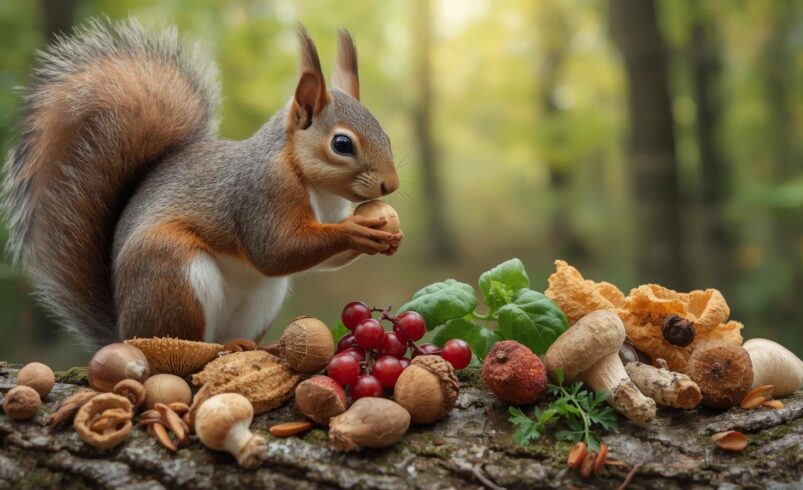
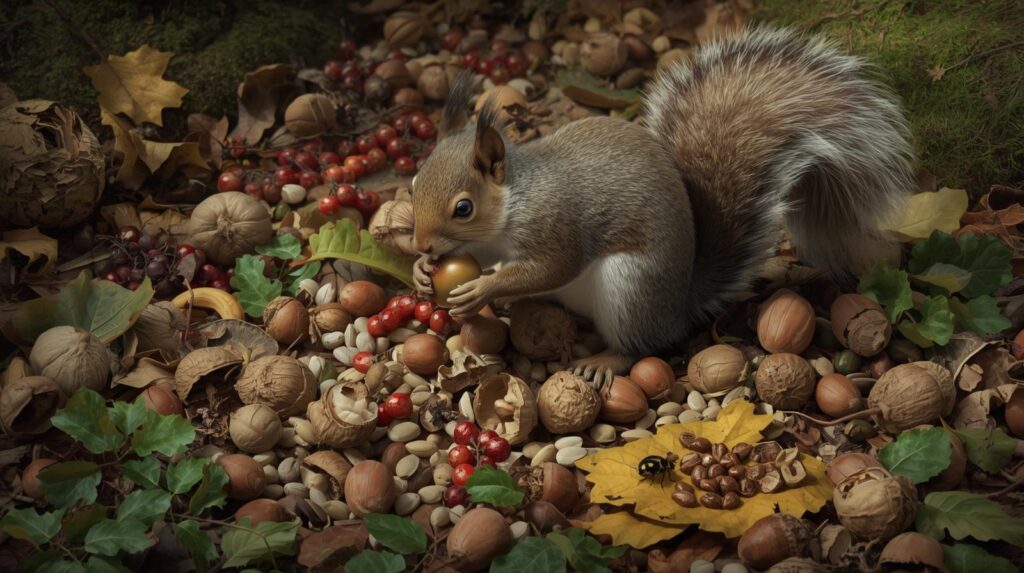
The diet of tree squirrels predominantly consists of seeds (including nuts), fruit, buds, leaves, bark, and fungi growing on trees, although they also consume invertebrates such as beetles. This isn’t just a simple nut-gathering operation what squirrels eat represents a sophisticated nutritional strategy that ensures survival across changing seasons and environments. Learning what do squirrels eat reveals their incredible adaptability in nature.
Squirrels belong to one of the most diverse mammal families, with over 200 species distributed across every continent except Antarctica and Australia. Understanding what can squirrels eat requires recognizing that different species have evolved distinct dietary preferences based on their habitats and available food sources.
What Squirrels Eat Throughout the Seasons
Spring and Summer: What Do Squirrels Eat?
During warmer months, what do squirrels eat shifts dramatically toward fresh, protein-rich options. Understanding what squirrels eat in spring and summer reveals their preference for nutrient-dense foods. Tree squirrels actively forage for:
- Fresh buds and flowers: Squirrels consume tender plant growth that provides essential nutrients after winter scarcity
- Insects and larvae: They consume invertebrates such as beetles, caterpillars, and larvae of various insects
- Bird eggs and nestlings: While controversial, some squirrel species opportunistically raid bird nests
- Fresh fruits and berries: As these ripen, they become primary food sources
The spring diet helps squirrels recover from winter weight loss and prepare for breeding season. I’ve personally observed squirrels in my neighborhood becoming noticeably more active during April and May, constantly moving between trees and spending considerable time foraging in flowering bushes.
Fall Preparation: What Do Squirrels Eat for Winter?
Autumn transforms squirrel behavior dramatically. What squirrels eat during fall focuses on high-calorie foods that can be stored. This is when understanding what do squirrels eat becomes crucial for their winter survival:
- Acorns and hickory nuts: Premium caching items that remain edible for months
- Walnuts and hazelnuts: Energy-dense options perfect for winter storage
- Pine cones and conifer seeds: Particularly important for red squirrels and Douglas squirrels
- Mushrooms and fungi: Flying squirrels preferentially consume hypogeous mycorrhizal fungi (truffles)
During this season, squirrels engage in scatter-hoarding behavior, burying individual nuts in hundreds of locations throughout their territory. Remarkably, they remember approximately 70% of these cache sites those forgotten seeds often grow into new trees, making squirrels accidental forest gardeners.
Winter Survival Diet
Winter presents the greatest nutritional challenge. What do squirrels eat when food sources dwindle? They rely on:
- Cached nuts and seeds: Retrieved from fall burial sites
- Tree bark and cambium: The soft inner bark provides essential nutrients when other food is scarce
- Dried fungi: Previously collected and stored mushrooms
- Pine cone seeds: Extracted from cones gathered during fall
The Uinta ground squirrel of the Rocky Mountains in the western United States is primarily vegetarian, eating mostly green plant parts and seeds, demonstrating how regional adaptations influence what squirrels eat.
The Surprising Truth About What Do Squirrels Eat

Recent groundbreaking research has revolutionized our understanding of what squirrels eat. In 2024, scientists documented behavior that shocked the wildlife community and changed everything we thought we knew about what do squirrels eat.
California ground squirrels hunt, kill and eat voles, reveals a study documenting evidence of widespread carnivorous behavior among squirrels. Out of 74 observed interactions with voles between June and July, 42% involved active hunting of these small rodents by ground squirrels.
This discovery fundamentally changes our perception of the squirrel diet. “This was shocking,” said lead author Jennifer E. Smith, an associate professor of biology at UW-Eau Claire. “We had never seen this behavior before. Squirrels are one of the most familiar animals to people”.
The hunting behavior wasn’t random the squirrels’ carnivorous summer behavior peaked during the first two weeks of July, coinciding with an explosion in vole numbers at the park. This demonstrates that what squirrels eat can adapt rapidly to changing food availability.
Other Meat Sources in Squirrel Diet
Beyond voles, research has documented squirrels consuming:
- Small vertebrates: Some ground squirrels even eat small vertebrates, including toads, frogs, and the eggs and chicks of birds
- Carrion: Dead animal matter provides opportunistic protein
- Insects and earthworms: Tropical ground squirrels have a diet that includes a higher percentage of arthropods compared to their nontropical counterparts
What Do Squirrels Eat in Different Environments?
Urban Squirrel Diet: What Do Squirrels Eat in Cities?
City squirrels have adapted their eating habits significantly. Urban squirrels were more willing to incorporate higher proportions of non-natural food items into their diet than forest squirrels. When people ask what do squirrels eat in urban areas, the answer often surprises them.
What do squirrels eat in urban environments includes:
- Human-provided foods: Bread, crackers, and processed snacks (though nutritionally poor)
- Garden produce: Tomatoes, corn, and various vegetables
- Bird feeder seeds: Sunflower seeds, though sunflower seeds are the equivalent of “junk food” and are deficient in the essential amino acid lysine
- Ornamental plant bulbs: Tulips and crocus bulbs are particular favorites
- Restaurant scraps: Available in parks and outdoor dining areas
Interestingly, squirrel population densities were generally higher at all three urban sites when compared to a geographically close located natural forest, suggesting urban food availability supports larger populations despite being nutritionally inferior.
Forest Squirrel Diet: What Do Squirrels Eat Naturally?
Forest-dwelling squirrels maintain more natural feeding patterns. Their diet aligns closely with seasonal forest productivity and includes primarily native plants and natural food sources that have sustained squirrel populations for millennia. Observing what do squirrels eat in forests reveals their instinctive dietary preferences.
Specialized Diets by Species
Different squirrel species have evolved unique dietary specializations:
Flying Squirrels: Preferentially consume hypogeous mycorrhizal fungi (truffles) over other food items but also consume mast-crop nuts, tree sap, insects, carrion, bird eggs, and nestlings
Red Squirrels: Heavily dependent on conifer seeds, these squirrels show dramatic population fluctuations based on cone crop success
Ground Squirrels: More omnivorous than tree squirrels, with significant insect and plant matter consumption
Nutritional Requirements: What Can Squirrels Eat Safely?
Understanding what can squirrels eat involves recognizing their specific nutritional needs. Your squirrel needs a balanced diet containing protein, fat, and vitamins and minerals, including lots of calcium.
Essential Nutrients
| Nutrient | Importance | Natural Sources |
|---|---|---|
| Protein | Tissue growth, reproduction | Nuts, insects, seeds |
| Calcium | Bone health, lactation | Leafy greens, bones |
| Fat | Energy storage, winter survival | Nuts, acorns, seeds |
| Vitamins | Immune function, vision | Fruits, vegetables, fungi |
| Fiber | Digestive health | Bark, leaves, plant matter |
Foods Squirrels Should Avoid
Despite their adaptability, certain foods are harmful to squirrels:
- Processed human foods: High salt and sugar content causes health problems
- Chocolate: Toxic to most mammals including squirrels
- Artificial sweeteners: Particularly dangerous to small mammals
- Moldy nuts: Can contain harmful aflatoxins
- Raw legumes: Legumes like beans, lentils, and soybeans should be avoided, except for green beans and sugar snap peas in the pod
Daily Feeding Behavior: What Do Squirrels Eat Daily?
What do squirrels eat on a typical day? Their feeding schedule revolves around foraging efficiency and predator avoidance. Most squirrels are diurnal, meaning they’re active during daylight hours, with peak feeding occurring in early morning and late afternoon. The question of what do squirrels eat each day depends heavily on seasonal availability and environmental factors.
A tree squirrel typically spends 60-80% of its active time foraging or eating. They consume approximately 10% of their body weight daily, though this varies seasonally. During fall, squirrels may double their food intake to build fat reserves for winter.
The feeding process itself is fascinating to watch. Squirrels use their keen sense of smell to locate buried nuts, even under a foot of snow. They can detect nuts buried in the ground and are selective about which caches they retrieve based on nutritional value preferring walnuts and hazelnuts over acorns when available.
Adaptations That Influence What Squirrels Eat
Several physical and behavioral adaptations enable squirrels to exploit diverse food sources:
Teeth: Squirrels possess continuously growing incisors that wear down through constant gnawing. This adaptation allows them to crack hard-shelled nuts and strip tree bark when necessary.
Jaw Muscles: Powerful jaw muscles generate incredible bite force relative to body size, enabling them to access food sources other small mammals cannot.
Digestive System: Squirrels have a cecum that helps digest plant material, particularly cellulose from bark and leaves. However, they cannot digest all plant compounds for instance, they avoid certain plants containing toxic tannins.
Memory and Cognition: Spatial memory helps squirrels relocate cached food. They also demonstrate chunking behavior, organizing cache sites spatially to improve retrieval efficiency.
The Impact of Climate Change on What Squirrels Eat

Environmental changes are affecting what squirrels eat worldwide. Altered weather patterns disrupt mast production (the seasonal production of nuts and seeds by trees), creating feast-or-famine cycles that stress squirrel populations. Understanding what do squirrels eat in changing climates helps us predict their adaptation strategies.
Warmer winters in temperate regions allow squirrels to remain active year-round, changing traditional dietary patterns. Meanwhile, extended droughts reduce overall food availability, forcing squirrels to adapt their diets or face population declines.
“The fact that California ground squirrels are behaviorally flexible and can respond to changes in food availability might help them persist in environments rapidly changing due to the presence of humans,” Wild said. This flexibility in what squirrels eat may be crucial for their survival as ecosystems continue changing.
Conservation Considerations
Understanding what do squirrels eat has important conservation implications. In regions where native red squirrels compete with invasive gray squirrels, food availability often determines which species dominates. Gray squirrels’ ability to digest acorns with high tannin content gives them competitive advantages in certain forests.
Providing appropriate food sources in wildlife rehabilitation and conservation programs requires detailed knowledge of species-specific dietary needs. The recommended captive squirrel diet consists of 60% rodent lab chow, supplemented with species-appropriate natural foods.
Feeding Squirrels: Should You?
Many people wonder whether they should provide food for wild squirrels. While feeding wildlife creates opportunities for observation and connection with nature, it comes with significant considerations.
Potential Benefits:
- Supports squirrels during harsh winters
- Allows close observation for education and enjoyment
- May help vulnerable populations during food shortages
Potential Problems:
- Creates dependency on human-provided food
- Alters natural behavior and population dynamics
- Spreads disease through congregation at feeding sites
- Encourages poor nutrition through inappropriate food choices
- May attract unwanted wildlife or create human-wildlife conflicts
If you choose to feed squirrels, focus on natural food items like unsalted nuts, fresh vegetables, and appropriate fruits. Never feed them processed human food, and maintain clean feeding areas to prevent disease transmission.
Fascinating Facts About What Squirrels Eat
Several remarkable facts about the squirrel diet often surprise even wildlife enthusiasts:
- Bone Consumption: Squirrels occasionally gnaw on bones and antlers to obtain calcium and minerals, particularly during breeding season when females need extra calcium for lactation.
- Alcoholic Fermentation: Squirrels sometimes consume fermented fruit, though whether they intentionally seek out alcoholic content remains debated among researchers.
- Salt Craving: Squirrels are attracted to road salt and mineral deposits, sometimes risking traffic exposure to obtain these nutrients.
- Mushroom Drying: Some squirrel species harvest mushrooms and hang them on tree branches to dry before caching, preserving them for winter consumption.
- Selective Caching: Research shows squirrels organize their nut caches by species and quality, suggesting sophisticated planning and memory abilities.
Conclusion: Understanding What Do Squirrels Eat
The answer to “what do squirrels eat” reveals a complex, adaptive, and sometimes surprising dietary strategy. From traditional nuts and seeds to fungi, insects, tree bark, and even other small mammals, squirrels demonstrate remarkable nutritional flexibility that enables them to thrive in diverse environments worldwide. Every time someone asks what do squirrels eat, the complete answer becomes more fascinating with new research discoveries.
Recent discoveries about carnivorous behavior in California ground squirrels remind us that even familiar species can surprise us. As Alldandy and other nature enthusiasts continue documenting wildlife behavior, we gain deeper appreciation for these adaptable animals that share our neighborhoods and forests.
Understanding what squirrels eat isn’t merely academic curiosity it connects us to the intricate web of relationships supporting forest ecosystems and urban green spaces. The next time you see a squirrel darting through your yard, you’ll know it’s not just looking for acorns but potentially accessing a smorgasbord of foods that would surprise even experienced naturalists.
Whether you’re a wildlife enthusiast, conservation advocate, or simply someone curious about the natural world, knowing what squirrels eat enriches our understanding of how species adapt and survive in changing environments. These bushy-tailed survivors continue teaching us about resilience, adaptability, and the unexpected complexity hiding in plain sight.
Frequently Asked Questions
Do squirrels eat meat regularly?
While traditionally considered herbivorous, recent research reveals that some squirrel species, particularly California ground squirrels, actively hunt and consume small mammals like voles when prey populations boom. However, this carnivorous behavior appears opportunistic rather than regular, with plant-based foods remaining the dietary foundation for most squirrel species.
What percentage of a squirrel’s diet consists of nuts?
Nuts typically comprise 40–75% of a tree squirrel’s diet, depending on species and season. During fall, when nuts are abundant, this percentage increases as squirrels prepare for winter. However, squirrels maintain nutritional balance by supplementing nuts with fruits, fungi, insects, tree buds, and occasionally animal protein.
Can squirrels survive on bird seed alone?
No, squirrels cannot thrive on bird seed alone, particularly sunflower seeds, which are nutritionally inadequate despite being popular at bird feeders. These seeds lack essential amino acids like lysine and contain improper calcium-to-phosphorus ratios, potentially causing serious health problems including metabolic bone disease in squirrels dependent on them as primary food sources.
How much food does a squirrel eat daily?
An adult squirrel typically consumes approximately 10% of its body weight daily, equating to about 40–80 grams for average tree squirrels. This amount fluctuates seasonally, with fall consumption increasing dramatically as squirrels build fat reserves and cache food for winter survival when food availability becomes limited.
What do baby squirrels eat?
Baby squirrels initially depend entirely on their mother’s milk, which provides optimal nutrition for growth. Around four weeks of age, they begin transitioning to solid foods, starting with pureed vegetables and gradually incorporating greens, nuts, and other adult diet components over several weeks as their digestive systems mature and develop.
What surprising discovery about squirrel diets have you made while observing these fascinating creatures in your own backyard?